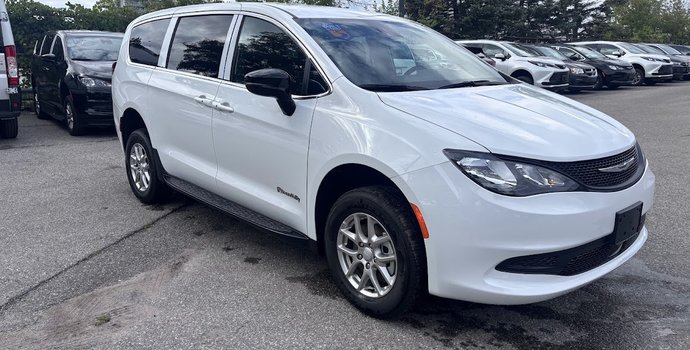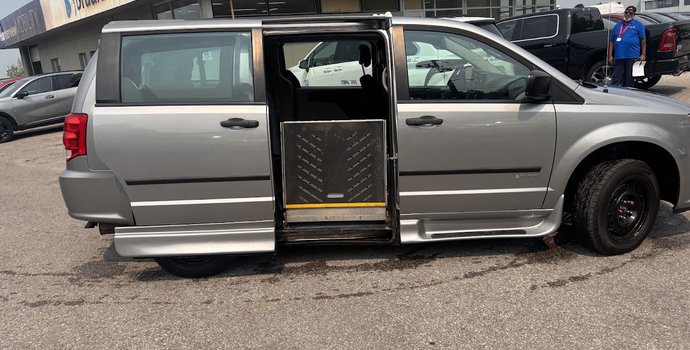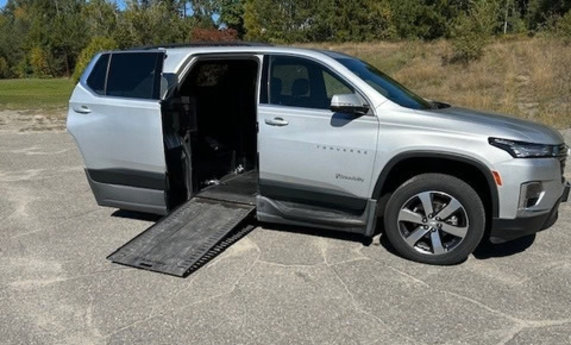
2022 Chevrolet Traverse 3LT

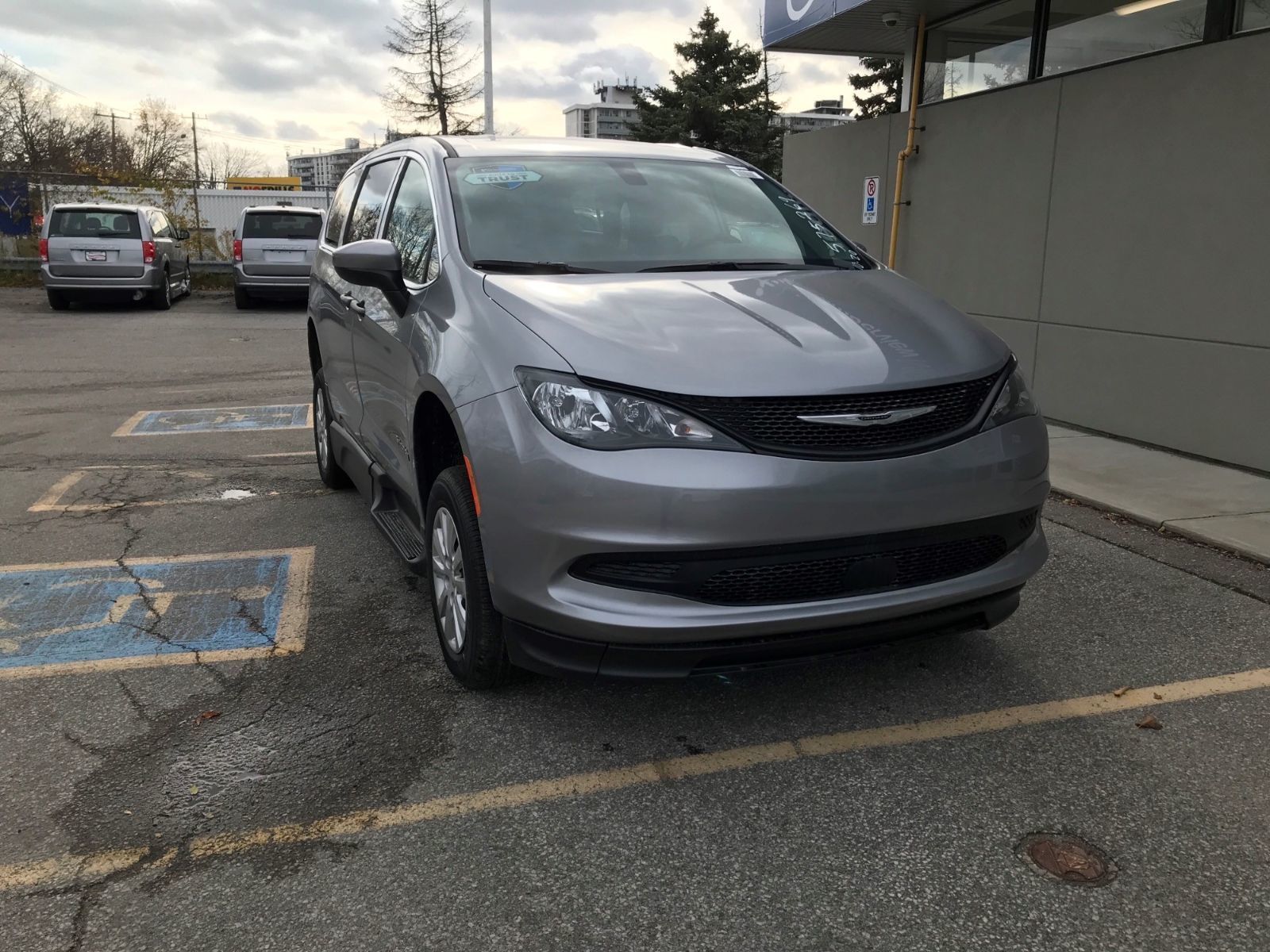
Winter in Ontario brings unique challenges for owners of converted vehicles. From freezing temperatures affecting wheelchair lifts to road salt damaging ramp mechanisms, your mobility equipment needs special attention during the cold months. These practical tips will help you maintain your conversion equipment and drive safely through Burlington's winter conditions.
If you rely on a wheelchair lift, lowered floor, or hand controls, proper winter preparation protects both your investment and your independence. Let's walk through the essential maintenance steps that keep your converted vehicle operating reliably all season long.
Have Questions? Connect with Our Mobility Specialist Today for Personalized Assistance and Expert Guidance!
Shop NowCold weather causes metal components to contract and moisture to freeze in moving parts. Apply silicone-based lubricant to all hinges, pivot points, and ramp mechanisms before winter arrives. Focus on:
Avoid oil-based lubricants that thicken in cold temperatures. Silicone spray remains effective down to -40°C and won't attract dirt or road debris. Test all moving parts after lubrication to ensure smooth operation.
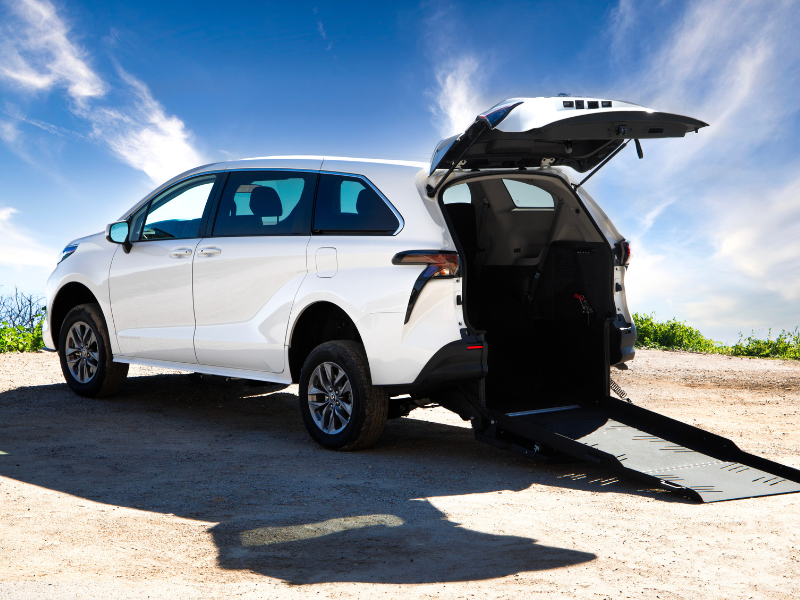
Converted vehicles often use upgraded battery systems to power lifts and ramps. Cold weather reduces battery capacity by up to 50% at -18°C. During prolonged vehicle storage or low-kilometre usage, the battery's state of charge can drop, and electrolytes can freeze if the charge falls too low.
Inspect battery terminals for corrosion and ensure connections are tight and clean. If you store your vehicle for extended periods, use an automatic battery charger or maintainer to preserve battery durability. Check the battery state of charge regularly—conversion equipment draws power even when the vehicle isn't running.
For vehicles stored longer than 30 days, maintain battery charge at approximately 50% and consider disconnecting the 12-volt battery to reduce system loads, or use a trickle charger for longer storage periods.
Ontario's winter road salt is highly corrosive to wheelchair lifts and ramps. Salt buildup causes:
Rinse conversion equipment thoroughly with warm water after driving in winter conditions. Pay special attention to ramp undercarriages, lift platforms, and any exposed hydraulic lines. Dry all surfaces completely to prevent ice formation.
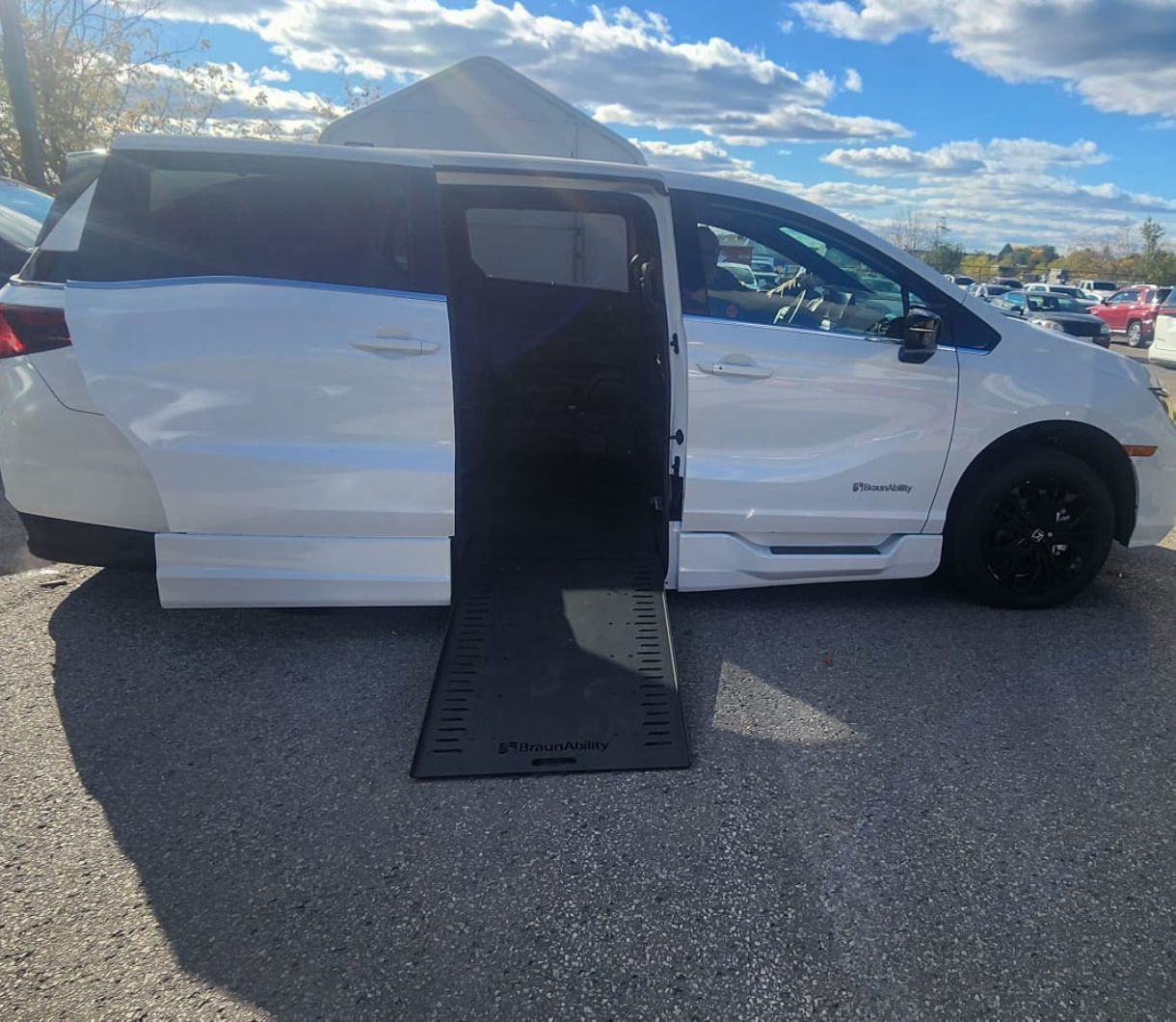
Lowered-floor conversions reduce ground clearance by 100–150 mm compared to standard vehicles. This affects winter driving in several ways:
Drive cautiously through intersections with accumulated snow. Avoid plowed snow piles at parking lot entrances. When approaching speed bumps or uneven terrain covered in snow, slow down significantly to prevent undercarriage damage.
Side-entry doors with conversion tracks are vulnerable to ice accumulation. Frozen tracks prevent doors from opening or closing properly, which can leave you stranded.
Before winter, apply a thin coat of silicone spray to door tracks and wipe away excess. After washing your vehicle or driving through slush, check tracks for moisture and dry thoroughly. Do not try to forcibly open a door or move equipment that is frozen—pour warm water over the frozen area to melt the ice, then wipe away the water immediately to prevent it from refreezing.
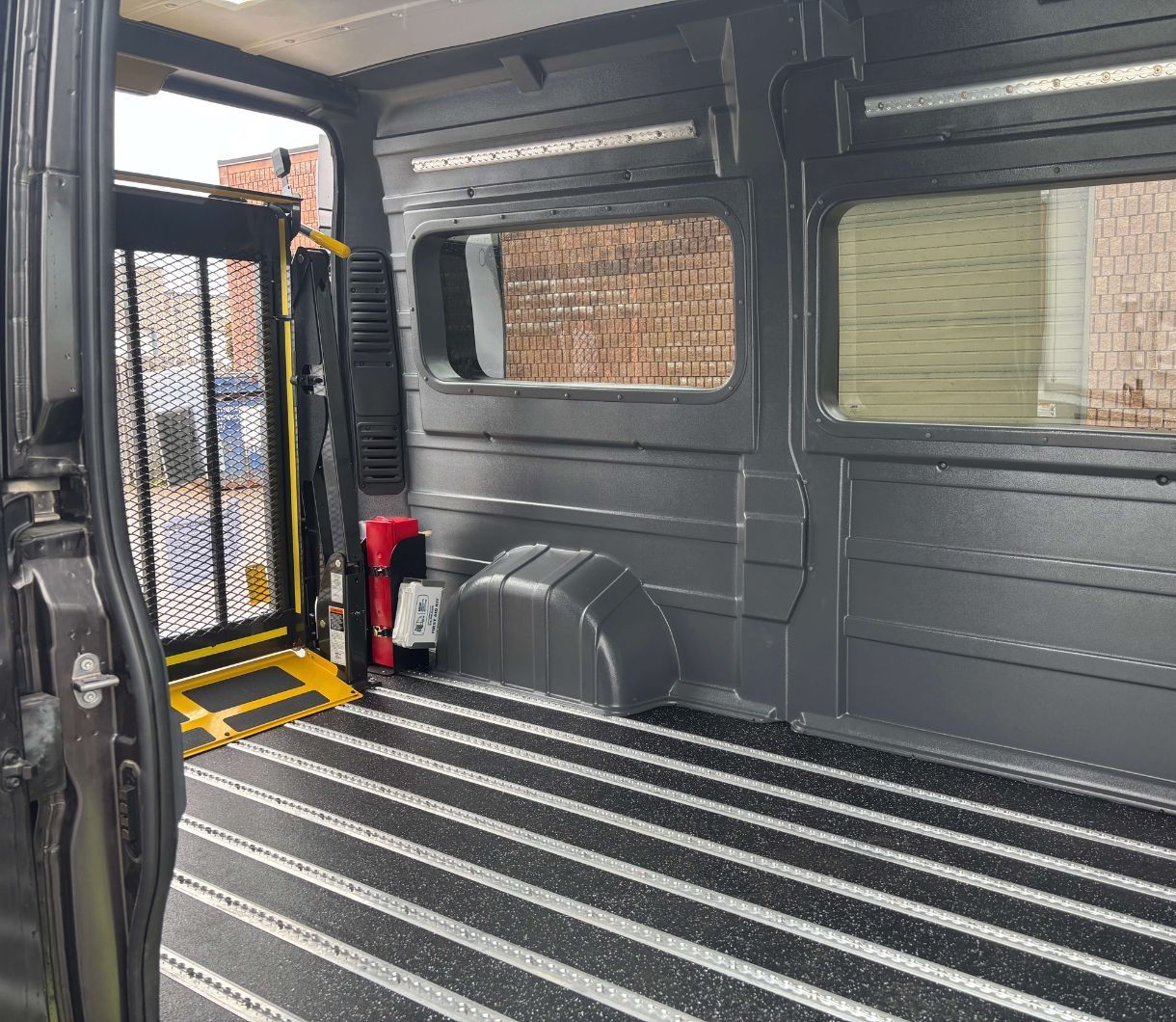
Cold temperatures make wiring brittle and expose weak connections. Check all electrical connections related to your conversion equipment:
Look for frayed insulation, loose terminals, or corrosion. Seal any exposed connections with electrical tape or heat-shrink tubing. Test all conversion functions before each trip during winter months.
Converted vehicles carry additional weight from lifts, ramps, and reinforced floors. Underinflated tires get hot and may fail, leading to possible loss of vehicle control. Overinflated tires may wear unevenly and compromise traction and stopping capability.
Check tire pressure weekly during winter—cold temperatures reduce tire pressure by approximately 7 kPa for every 5°C drop in temperature. Maintain recommended cold inflation pressures listed on your vehicle's tire label. Properly inflated tires improve traction on snow and ice while supporting your vehicle's conversion weight safely.
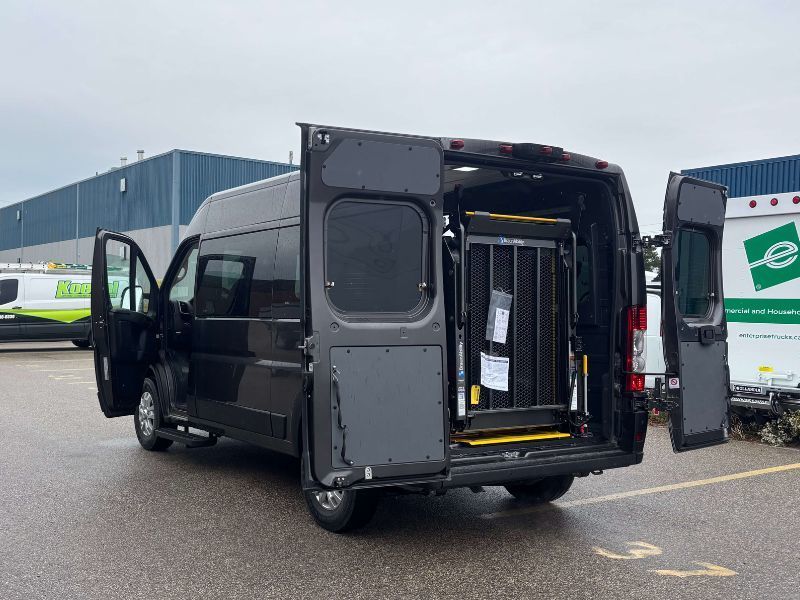
Wheelchair lifts with hydraulic systems require special winter attention. Hydraulic fluid thickens in cold temperatures, reducing lift performance. Some systems may not operate below -25°C.
Keep your vehicle in a heated garage when possible. If outdoor parking is necessary, allow extra time for the lift to warm up before use. Check hydraulic fluid levels monthly and watch for leaks around seals and connections—cold weather causes seals to contract and leak.
Contact us for detailed specifications on your specific lift system's cold-weather limitations.
Before deploying ramps or lifts, clear all snow and ice from:
Snow trapped in ramp mechanisms can freeze overnight, preventing operation the next morning. Debris carried into the vehicle on ramps creates slip hazards and damages floor surfaces.
Remove any snow or mud from mobility aids and footwear before entering. This simple step prevents ice buildup inside your vehicle and protects conversion flooring from winter damage.
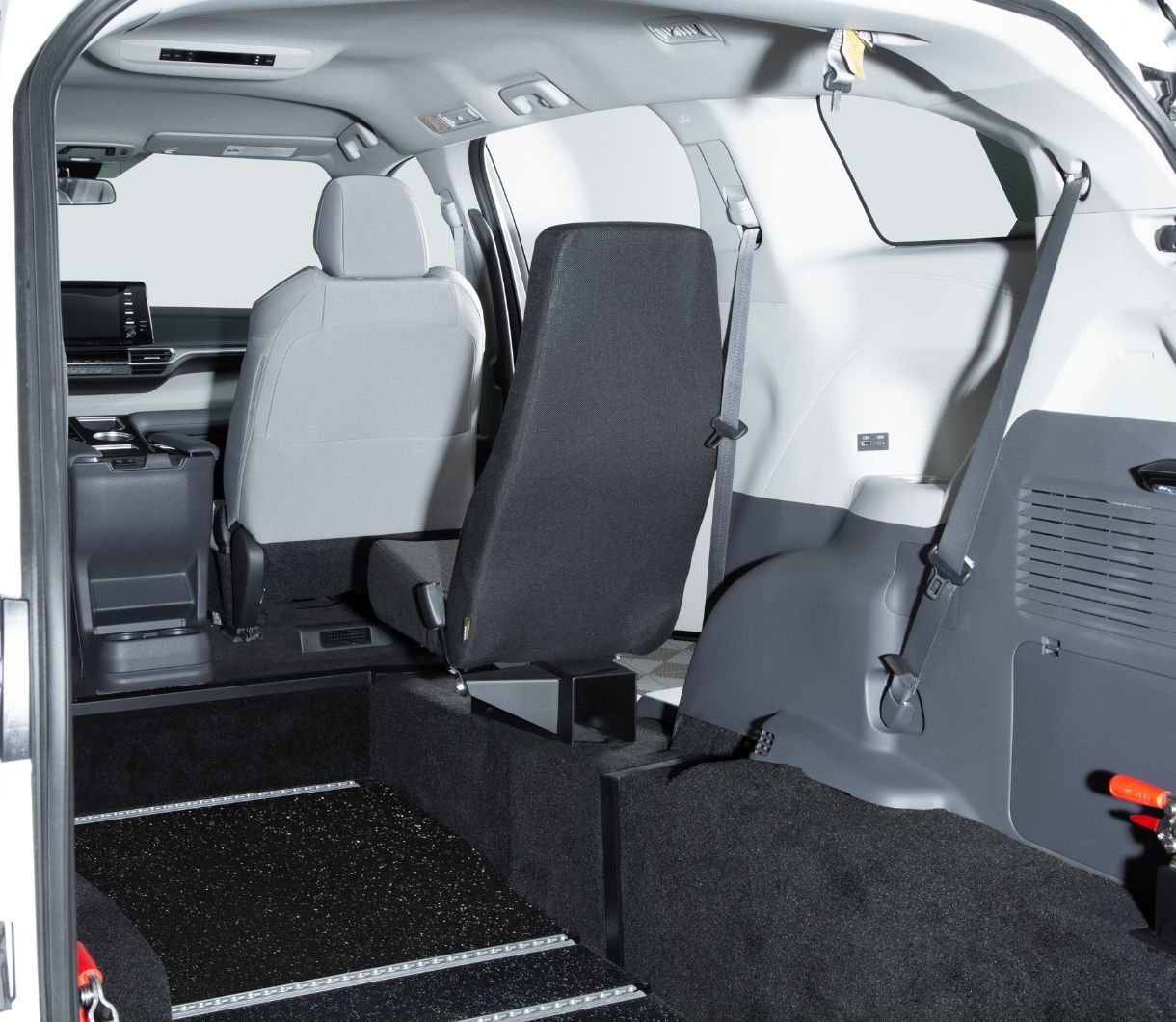
Conversion equipment contains specialized components that require professional expertise. A pre-winter inspection identifies potential problems before they leave you stranded in cold weather.
Professional technicians check:
Schedule this inspection in late fall, before Ontario's first major snowfall. Early detection of worn components prevents breakdowns during the coldest months when you need reliable transportation most.
|
Winter Challenge |
Essential Action |
|
Frozen mechanisms |
Apply silicone lubricant to all moving parts monthly |
|
Battery drain |
Use automatic charger/maintainer; check charge weekly |
|
Salt corrosion |
Rinse equipment with warm water after each winter drive |
|
Reduced clearance |
Drive slowly over snow banks; avoid plowed accumulation |
|
Ice in tracks |
Dry tracks thoroughly; use warm water to melt ice safely |
|
Cold-weather operation |
Allow equipment to warm up; park in heated space when possible |
Winter preparation protects your mobility independence. The service team at Courtland Mobility in Burlington understands the unique maintenance needs of converted vehicles operating in Ontario's winter conditions. From lift inspections to electrical system checks, we ensure your equipment operates reliably through the coldest months.
Schedule your pre-winter inspection at Courtland Mobility in Burlington today. Our certified technicians specialize in wheelchair-accessible vehicle maintenance and can address any winter-readiness concerns specific to your conversion equipment.