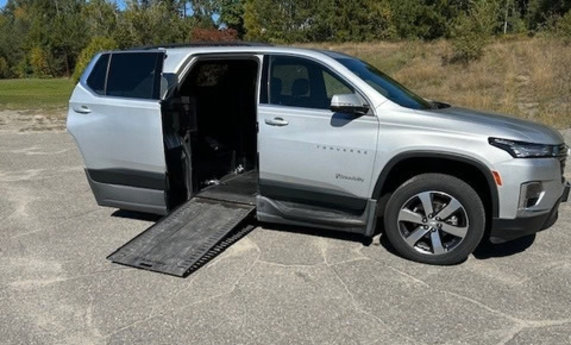
2022 Chevrolet Traverse 3LT

When a sudden diagnosis, accident, or surgery creates the need for a mobility vehicle, families and caregivers often face a mix of urgency, uncertainty, and overwhelming choices. The process of selecting, funding, and outfitting an accessible vehicle can feel daunting - especially when time is limited and emotions are high. But with the right guidance, this transition can be manageable, even empowering.
Have Questions? Connect with Our Mobility Specialist Today for Personalized Assistance and Expert Guidance!
Contact UsThis guide walks you through the essential steps of purchasing a mobility vehicle in Ontario, from understanding safety standards to exploring funding options and partnering with a specialized dealer who can coordinate every detail. Whether you're new to accessible vehicles or simply need clarity on the process, this resource is designed to help you make informed, confident decisions.
|
Step |
What It Involves |
Why It Matters |
|
1. Assess Needs |
Evaluate mobility requirements, daily use, and passenger capacity |
Ensures the vehicle fulfills current and future accessibility needs |
|
2. Understand Safety Standards |
Review Transport Canada regulations and conversion certifications |
Guarantees compliance and protects your loved one's safety |
|
3. Explore Funding Options |
Research government programs, insurance, and financing |
Reduces out-of-pocket costs and makes purchase feasible |
|
4. Choose Conversion Type |
Decide between rear-entry, side-entry, or full-floor conversions |
Matches vehicle design to user's mobility level and lifestyle |
|
5. Partner with a Specialized Dealer |
Work with a dealer who coordinates regulations, adaptations, and funding |
Simplifies the process and ensures smooth integration of all components |

The first step in any mobility vehicle purchase is a clear-eyed assessment of the user's current and anticipated needs. This goes beyond whether someone uses a wheelchair - it's about daily routines, travel patterns, and long-term mobility goals.
Key questions to ask:
These answers will guide decisions about vehicle size, conversion type, and interior configuration. For example, a family with multiple children may prioritize a full-size van with rear-entry access, while an individual living independently might prefer a compact minivan with side-entry for easier urban parking.
A specialized mobility dealer can conduct a needs assessment with you, often at no cost, to ensure the vehicle you choose aligns with your lifestyle.
In Ontario, mobility vehicle conversions must meet strict safety standards set by Transport Canada and the Canadian Standards Association (CSA). These regulations ensure that wheelchair restraints, ramps, and structural modifications are tested for crash safety and durability.
When evaluating a mobility vehicle, look for:
A qualified mobility dealer will only offer vehicles that meet these standards and will provide documentation of compliance. Never purchase a converted vehicle without verifying its certification - your loved one's safety depends on it.

The cost of a mobility vehicle can be substantial, but Ontario families have access to several funding sources that can reduce the financial burden.
Government Programs:
Insurance and Compensation:
Private Financing:
Many mobility dealers offer in-house financing or partnerships with lenders who specialize in accessible vehicle loans. These programs often feature flexible terms and competitive rates.
A specialized dealer acts as a liaison with funding agencies, helping you navigate applications, gather required documentation, and maximize available support. This coordination can save weeks of frustration and ensure you don't miss out on eligible benefits.
Mobility vehicle conversions come in three primary configurations, each suited to different needs and preferences.
Rear-Entry Conversions:
Side-Entry Conversions:
Full-Floor Conversions:
Each conversion type has trade-offs in terms of cost, convenience, and interior space. A specialized dealer will walk you through these options, often with in-person vehicle demonstrations, to help you make the right choice.

Purchasing a mobility vehicle isn't like buying a standard car. It involves coordinating vehicle selection, conversion specifications, safety certifications, funding applications, and often, installation of additional adaptive equipment (such as hand controls or transfer seats). This complexity is why working with a specialized accessible vehicle dealer is essential.
A qualified mobility dealer acts as your project manager, handling:
This turnkey approach removes the burden of managing multiple vendors and ensures that every component of your mobility vehicle is integrated properly and safely.
Not all dealerships are equipped to handle mobility vehicle sales. When selecting a dealer, look for:
A good dealer will never rush you. They'll take the time to understand your needs, answer questions, and provide transparent information about costs, timelines, and options.
The need for a mobility vehicle often arises unexpectedly, but the purchase process doesn't have to be overwhelming. By understanding safety standards, exploring funding options, and partnering with a specialized dealer who can coordinate every detail, you can make a decision that enhances independence, safety, and quality of life for your loved one.
Remember: you're not buying a vehicle. You're investing in freedom, dignity, and peace of mind.
Ready to take the next step? Contact our team at Courtland Mobility to schedule a no-obligation consultation and explore the mobility solutions that are right for your family.
You might also be interested in these blogs:
Every Driver and Passenger Seat Accessibility Conversion Offered to Consumers in Ontario
Overview of the BraunAbility Chevrolet Traverse Conversion
The Different Ways You Can Make a Vehicle Wheelchair Accessible