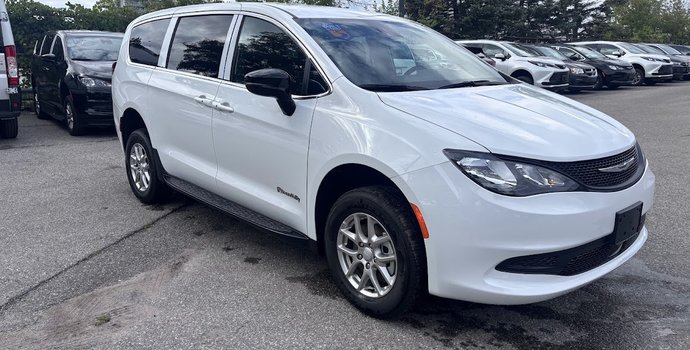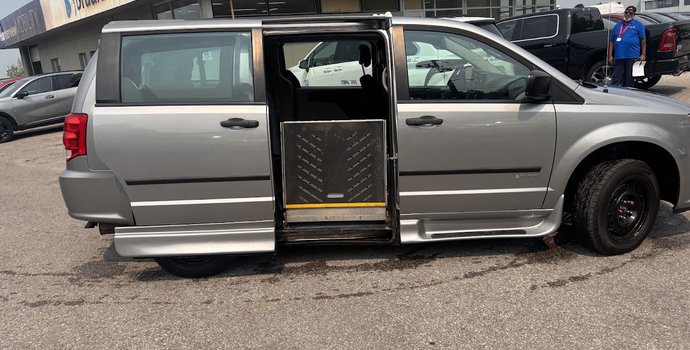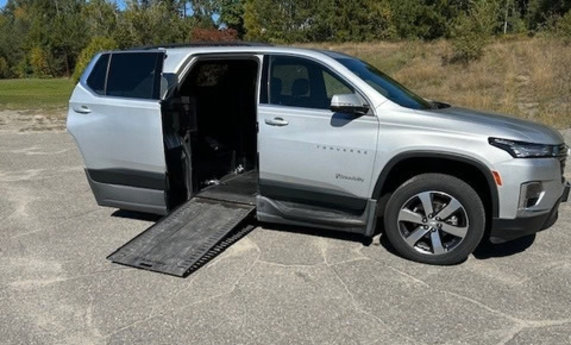
2022 Chevrolet Traverse 3LT

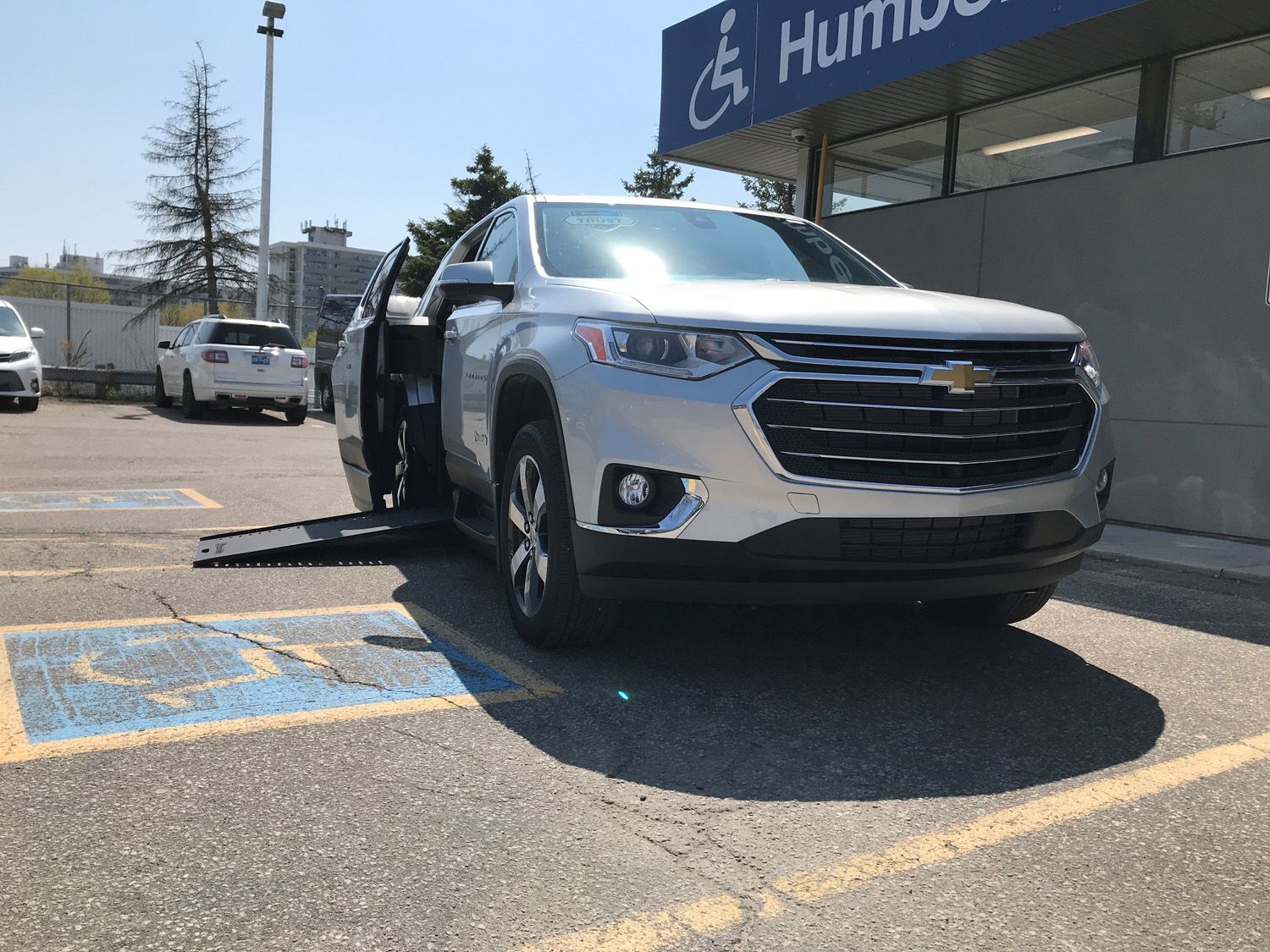
Finding the right seating solution transforms how people with mobility challenges experience vehicle travel. Ontario's certified mobility dealers offer proven adaptations that prioritize safety, independence, and comfort for those who need assistance transferring from a wheelchair or prefer to remain seated in their mobility device. These solutions are engineered to meet rigorous standards and may qualify for funding support through programs like Ontario's Home and Vehicle Modification Program (HVMP) and charitable grants from organizations such as Easter Seals Ontario.
Understanding your options helps you make informed decisions about which seating configuration best matches your physical abilities, independence goals, and daily transportation needs. Here are five essential seating adaptations available through Ontario mobility specialists.
Have Questions? Connect with Our Mobility Specialist Today for Personalized Assistance and Expert Guidance!
Contact UsPower turning seats represent one of the most popular seating adaptations for people who can transfer from a wheelchair but find climbing into tall vehicles difficult. These fully powered systems rotate the seat outward, extend it beyond the door opening, and lower it toward the ground—creating a comfortable transfer height that eliminates awkward climbing or lifting.
Systems like the BraunAbility Turny Evo and Adapt-Solutions LINK maintain the vehicle's structural integrity while providing smooth, reliable operation. The seat moves through its complete cycle with simple button controls, allowing users or caregivers to position it precisely for safe transfers. Once the occupant is seated, the system automatically returns to the driving or passenger position and locks securely in place.
Key advantages:
Power turning seats work well for individuals who have sitting balance and can pivot or slide into position but cannot manage the height of standard vehicle seating. They're commonly installed in vehicles like the Toyota Sienna, Chrysler Pacifica, and full-size SUVs, giving Ontario families versatile transportation options.

For buyers who want adaptive function without replacing their vehicle's factory seat, pivoting bases offer an effective solution. Products like the XL-BASE install beneath the original equipment manufacturer (OEM) seat, preserving the vehicle's upholstery, comfort features, and integrated safety systems including side airbags.
These powered bases rotate and lower the existing seat outside the door opening, providing the same transfer benefits as aftermarket turning seats while maintaining the vehicle's original appearance and resale value. The system operates through straightforward controls and typically installs in front passenger or middle-row positions depending on vehicle configuration.
Installation benefits:
Pivoting bases appeal to families who want adaptive capability without extensive modifications. They're particularly popular in leased vehicles or in situations with multiple drivers using the same vehicle, as the OEM seat functions normally in its standard position.
Transfer boards provide a practical solution for individuals who have upper-body strength and sitting balance but need a stable, repeatable method for moving between their wheelchair and vehicle seat. These compact platforms bridge the gap between mobility device and seating surface, creating a firm pathway for sliding transfers.
Products like the ASENTO transfer board and XL-BOARD bolt directly to existing seat mounting points without requiring structural vehicle modifications. They're engineered with weight capacities typically ranging from 275 to 300 lb and feature surfaces designed to reduce friction during transfers. The boards adjust to match seat height and can be positioned to accommodate different transfer techniques.
Practical features:
Transfer boards work best for people who can initiate and complete transfers with minimal assistance. They're commonly paired with grab handles and may be installed in various seating positions depending on the user's preferred transfer side and vehicle layout.

Transfer seats integrate adaptive functionality directly into the driving position, giving people with disabilities the ability to transfer from their wheelchair and operate the vehicle independently. These powered seat bases move rearward, rotate outward, and may elevate or lower to facilitate safe transfers from a wheelchair positioned beside the vehicle.
The seats are typically combined with hand controls, steering modifications, and sometimes lowered-floor conversions to create a complete adaptive driving system. Once the driver transfers into the seat, it returns to the proper driving position with full access to vehicle controls. The same technology applies to front passenger positions for non-driving occupants who prefer to transfer rather than remain in their wheelchair.
System integration:
Transfer seats are essential for Ontario drivers who want to maintain their independence and prefer the comfort and safety of the vehicle's original seating structure. They're engineered to work with the vehicle's existing safety systems and provide reliable operation in all weather conditions.
Remaining seated in a wheelchair during vehicle travel is a valid seating option that requires proper safety equipment and installation. Ontario mobility vehicles offer secure wheelchair positions using either 4-point strap tiedown systems (Wheelchair Tiedown and Occupant Restraint Systems, or WTORS) or automatic docking stations that lock compatible power wheelchairs into place.
Best practice calls for forward-facing wheelchair travel whenever possible, with tiedown straps attached at the correct angles to wheelchair frame points—not to removable components like armrests or footrests. WC19-compliant wheelchairs are specifically crash-tested for vehicle transport and provide the highest level of safety. The occupant must also wear a properly positioned lap and shoulder belt separate from the wheelchair securement.
Safety requirements:
Wheelchair seating works well for individuals who have complex seating systems, require specialized positioning, or find transfers physically challenging. It's commonly combined with ramp or lift entry systems and may include power kneeling suspension to lower the vehicle floor for easier boarding.

All seating adaptations must be installed by certified technicians who understand vehicle structural requirements, crash protection systems, and mobility equipment standards.
Professional installation ensures that modifications don't compromise airbag function, structural integrity, or manufacturer warranties applicable to unmodified components. Technicians verify that all components are rated for the user's weight, that securement points are properly reinforced, and that electrical systems are integrated safely with the vehicle's existing wiring.
Ontario's Home and Vehicle Modification Program (HVMP) provides financial assistance for eligible residents who require vehicle modifications including specialized seating, floor lowering, raised roofs, and access equipment. The program considers both financial need and medical necessity in determining eligibility.
Easter Seals Ontario and other charitable organizations also offer limited funding toward vehicle adaptations for safe transportation. Additionally, Toyota's Mobility Program and similar manufacturer initiatives provide financial assistance to help offset adaptation costs for qualifying customers.
Choosing the right seating adaptation requires understanding your physical abilities, transfer preferences, and daily transportation patterns. Our Burlington team specializes in matching Ontario residents with seating solutions that support independence and safety.
We'll assess your specific needs, demonstrate available options in real vehicles, and explain how different adaptations work with your mobility device and vehicle type. Our specialists can also guide you through funding eligibility for HVMP and charitable assistance programs. Contact Courtland Mobility in Burlington to schedule your personalized seating assessment and discover which adaptation best fits your life.
You might also be interested in these blogs:
Every Driver and Passenger Seat Accessibility Conversion Offered to Consumers in Ontario
Accessible Vehicle Financing and Programs Available in Ontario in 2025
The Different Ways You Can Make a Vehicle Wheelchair Accessible