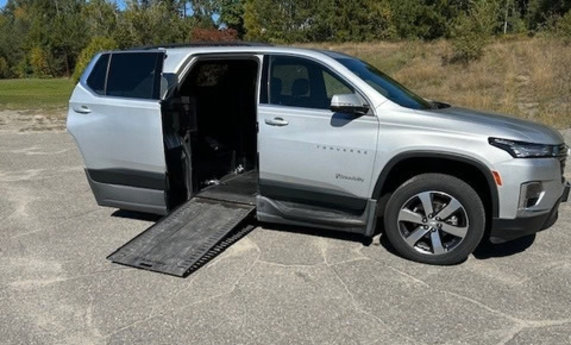
2022 Chevrolet Traverse 3LT

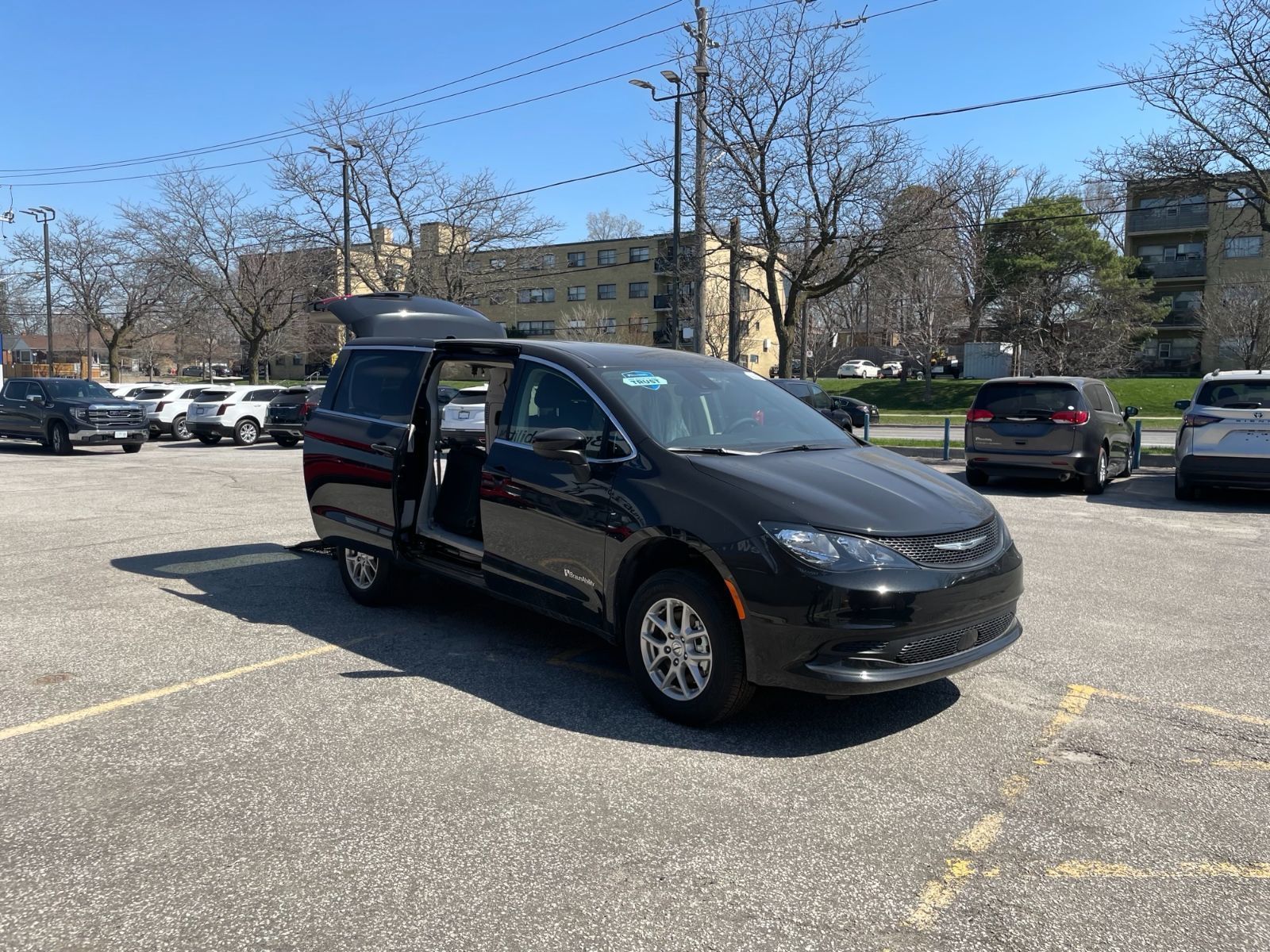
Accessible vehicle modifications make everyday transportation possible for wheelchair users across Ontario. Professional adaptations allow drivers and passengers with mobility challenges to travel safely and comfortably, whether commuting to work, running errands, or exploring the province. Understanding the range of available modifications helps families make informed decisions about which solutions best match their specific needs and daily routines.
Have Questions? Connect with Our Mobility Specialist Today for Personalized Assistance and Expert Guidance!
Contact UsModern wheelchair accessibility modifications use specialized engineering and practical design to create vehicles that accommodate specialized equipment while maintaining safety standards. From adaptive driving controls to structural conversions, each modification type serves a distinct purpose in building a fully accessible transportation solution. Professional installation by certified mobility equipment dealers helps these systems work with your vehicle's original design and safety features.
|
Modification Category |
Primary Benefits |
Professional Installation Required |
|
Adaptive Driving Controls |
Independent vehicle operation for drivers with limited leg or hand function |
Yes - NMEDA-certified dealers |
|
Wheelchair Lifts & Ramps |
Safe, dignified entry and exit without manual transfers |
Yes - Structural certification required |
|
Securement Systems |
Crash-tested restraints for wheelchair occupants |
Yes - SAE/CMVSS compliance mandatory |
|
Transfer Aids & Interior Accessories |
Easier movement between wheelchair and vehicle seats |
Yes - Proper anchoring essential |
|
Driver-Assist Technology & Communication Devices |
Enhanced safety and confidence for accessible vehicle operation |
Yes - Integration with vehicle systems |

Adaptive driving controls enable wheelchair users and individuals with limited leg function to operate vehicles independently. These systems replace or supplement standard pedals and steering mechanisms with alternatives matched to each driver's specific abilities and prescribed by qualified assessors.
Hand controls represent the most common adaptive driving modification. Mechanical push-pull systems mount near the steering column, allowing drivers to accelerate by pushing forward and brake by pulling back. Electronic hand controls offer lighter operation through servo-assisted throttle and braking, reducing fatigue during longer drives. Radial-style controls position the hand grip at an angle that accommodates reduced wrist mobility or grip strength.
Left-foot accelerator pedals serve drivers who cannot use their right leg but retain full left-leg function. These systems include a blocking plate over the original right-side accelerator to prevent accidental dual-pedal engagement.
Steering aids such as spinner knobs, tri-pin grips, and palm grips assist drivers with limited hand strength or range of motion, enabling smoother steering input with less physical effort.
Ontario mobility equipment dealers install these controls following assessment by occupational therapists or driver rehabilitation specialists. Installation must meet National Mobility Equipment Dealers Association Quality Assurance Program guidelines to work properly with vehicle safety systems. Multi-function keypads consolidate secondary controls like turn signals, wipers, and lights into accessible locations, reducing the need to reach across the dashboard.
Access modifications eliminate the physical barriers that prevent wheelchair users from entering and exiting vehicles independently. These systems range from portable ramps to full structural conversions that fundamentally alter vehicle interior dimensions.
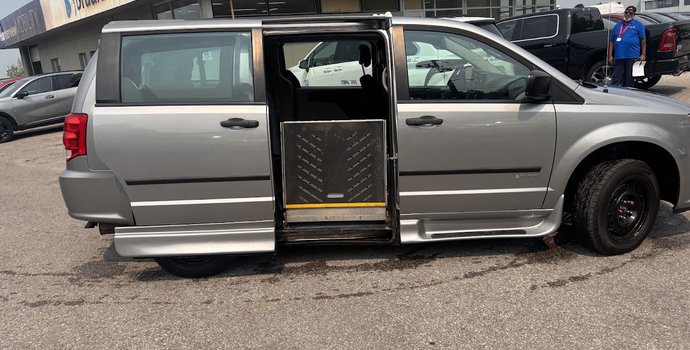
Power wheelchair lifts install at side or rear doors, using electric motors to raise and lower platforms that carry the wheelchair and occupant between ground level and vehicle floor height. Side-entry lifts suit minivans and full-size vans, deploying from sliding doors to provide level access. Rear-entry lifts work well for SUVs and larger vehicles, extending from the cargo area. Manual lifts offer a lower-cost alternative for caregivers comfortable operating mechanical systems.
In-floor ramps fold flush with the vehicle floor when not in use, preserving interior space and maintaining a clean appearance. Fold-out ramps deploy from doorways, creating a gradual incline for wheelchair entry. Both systems must meet weight capacity requirements and feature non-slip surfaces for safe operation in Ontario's variable weather conditions.
Lowered floors and raised roofs create the interior height necessary for wheelchair users to remain seated while traveling. Floor-lowering conversions remove sections of the original floor pan and install reinforced lowered sections, typically reducing floor height by 250 to 300 millimetres. Raised roofs add 300 to 450 millimetres of headroom, allowing most wheelchair users to sit upright without transfers. These structural modifications require engineering certification and must comply with Transport Canada standards for crashworthiness and weight distribution.
Ontario's Home and Vehicle Modification Program provides funding for eligible modifications including wheelchair lifts, ramps, lowered floors, and raised roofs. Certified mobility conversion shops perform these installations, maintaining structural integrity and vehicle safety ratings throughout the conversion process.

Traveling safely while seated in a wheelchair requires specialized restraint systems engineered to withstand collision forces. These systems secure both the wheelchair frame and the occupant, meeting the same safety standards as factory-installed seatbelts.
Wheelchair tie-down and occupant restraint systems use four-point tie-downs that anchor to the vehicle floor at prescribed locations. Two front tie-downs attach to the wheelchair frame's forward corners, while two rear tie-downs secure the back corners. Each tie-down features a ratcheting mechanism that maintains constant tension, preventing wheelchair movement during normal driving and emergency maneuvers.
The occupant wears a separate lap-shoulder belt designed to work with wheelchair seating positions, distributing crash forces across the pelvis and chest.
Professional installation positions tie-down anchors according to the wheelchair user's typical seating location, providing proper belt geometry and load distribution. Head restraints must align with the occupant's head position to prevent whiplash injuries, often requiring adjustable or custom-positioned headrests that accommodate wheelchair seat heights.
Transfer seating solutions suit passengers who prefer moving from their wheelchair to a vehicle seat. Turn-out seats rotate outward and lower toward the ground, reducing the transfer distance and physical effort required. Swivel bases allow standard seats to rotate 90 degrees, positioning the seat for easier side entry. Support cushions and bolsters provide additional stability for passengers with limited core strength or balance.
Ontario's Home and Vehicle Modification Program recognizes wheelchair securement systems and specialized seating as eligible modifications. Installation requires collaboration between the mobility dealer, the wheelchair user, and often a driver rehabilitation specialist to achieve optimal positioning and comfort during the fitting process.
Interior accessibility modifications simplify the daily tasks of entering, exiting, and operating a vehicle. These adaptations reduce physical strain on wheelchair users and caregivers while improving overall vehicle usability.
Transfer aids facilitate movement between wheelchairs and vehicle seats. Swivel cushions rotate on low-friction bases, allowing passengers to enter the vehicle facing forward, then pivot their legs inside with minimal hip rotation. Assist handles and grab bars mount to door frames, roof pillars, or floor anchors, providing stable gripping points during transfers. Strategic placement of these aids accounts for each user's grip strength and range of motion, creating a personalized support system.
Power door systems eliminate the need to manually operate heavy vehicle doors. Remote-controlled power sliding doors on minivans and power liftgates on SUVs operate via key fob or interior switches, allowing wheelchair users to open doors before approaching the vehicle. This works well in tight parking spaces or during winter weather when ice and snow increase door operation difficulty.
Remote starters warm the vehicle interior before entry, improving comfort and reducing the physical stress of cold-weather transfers. Dashboard extensions and relocated control panels bring switches and buttons within reach of drivers with limited arm mobility. Lower-effort steering columns reduce the force required for steering input, accommodating reduced upper-body strength.
Interior modifications must work with the vehicle's original design without compromising safety systems or structural integrity. Professional installation provides proper anchoring of grab bars and handles, preventing equipment failure during use.

Advanced technology enhances safety and confidence for wheelchair users operating accessible vehicles. These systems compensate for the unique challenges of driving larger, heavier modified vehicles while maintaining connectivity and emergency communication capability.
Blind-spot monitoring and rear cross-traffic alert systems work well on converted vans and accessible vehicles with longer wheelbases and reduced rear visibility. Sensors detect vehicles in adjacent lanes or approaching from behind, alerting drivers before lane changes or reversing maneuvers. Backup cameras provide clear views of the area behind the vehicle, essential when operating power lifts or ramps that extend beyond standard bumper lines.
Parking assistance systems guide drivers into spaces with audible and visual cues, accommodating the wider turning radii and increased length common in accessible conversions. Adaptive cruise control maintains safe following distances on highways, reducing driver fatigue during longer trips across Ontario's extensive road network.
In-vehicle communication devices connect wheelchair users to emergency services and roadside assistance. Ontario's Home and Vehicle Modification Program lists communication equipment as eligible modifications when necessary to support the safety of persons with disabilities. Hands-free phone systems work with adaptive driving controls, allowing drivers to maintain focus on the road while staying connected.
Remote-controlled garage door openers and barrier-free garage modifications work in tandem with vehicle accessibility features, creating a complete accessible transportation system from home to destination. These additions eliminate the need to exit the vehicle to operate garage doors, particularly beneficial during harsh winter conditions.
Selecting the right combination of accessibility modifications depends on your specific mobility requirements, vehicle type, and daily driving patterns. Drivers who operate vehicles independently require adaptive controls and driver-assist technology, while passengers focus on entry systems and securement solutions. Families often benefit from multi-feature conversions that accommodate both wheelchair users and other passengers comfortably.
Consulting with certified mobility equipment dealers helps identify modifications that meet your functional needs while maintaining vehicle safety and warranty coverage. Ontario's Home and Vehicle Modification Program provides funding support for eligible residents, with lifetime and 10-year vehicle modification limits that help offset conversion costs. WSIB-funded modifications require prior approval of the vehicle and installation plan, distinguishing between minor adaptations and major structural conversions.
Professional assessment by occupational therapists or driver rehabilitation specialists identifies which modifications best match your abilities and goals. These specialists work alongside mobility dealers to specify equipment, plan installations, and conduct post-conversion training that supports safe, confident vehicle operation.
Our team at Courtland Mobility specializes in professional wheelchair accessibility modifications designed to restore independence and expand transportation options for Ontario residents. We work with certified equipment and follow NMEDA Quality Assurance Program guidelines to deliver safe, reliable conversions.
You might also be interested in these blogs:
5 Mobility Conversions to Help with Steering and Handling
5 Seating Adaptations Available for Mobility Vehicles in Ontario
The Different Ways You Can Make a Vehicle Wheelchair Accessible