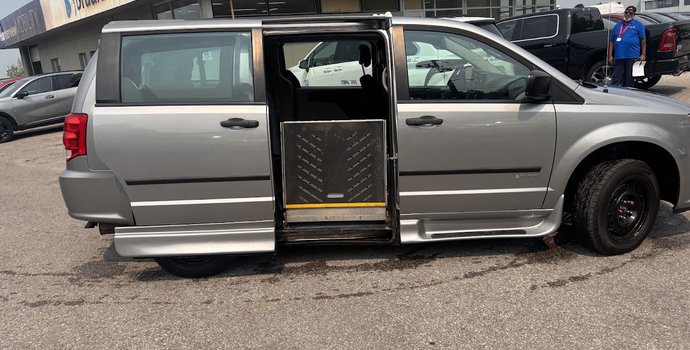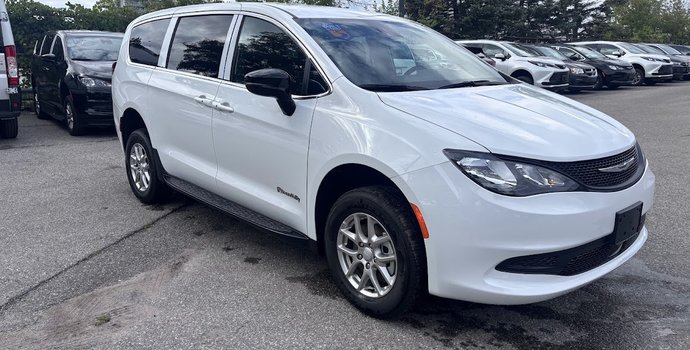
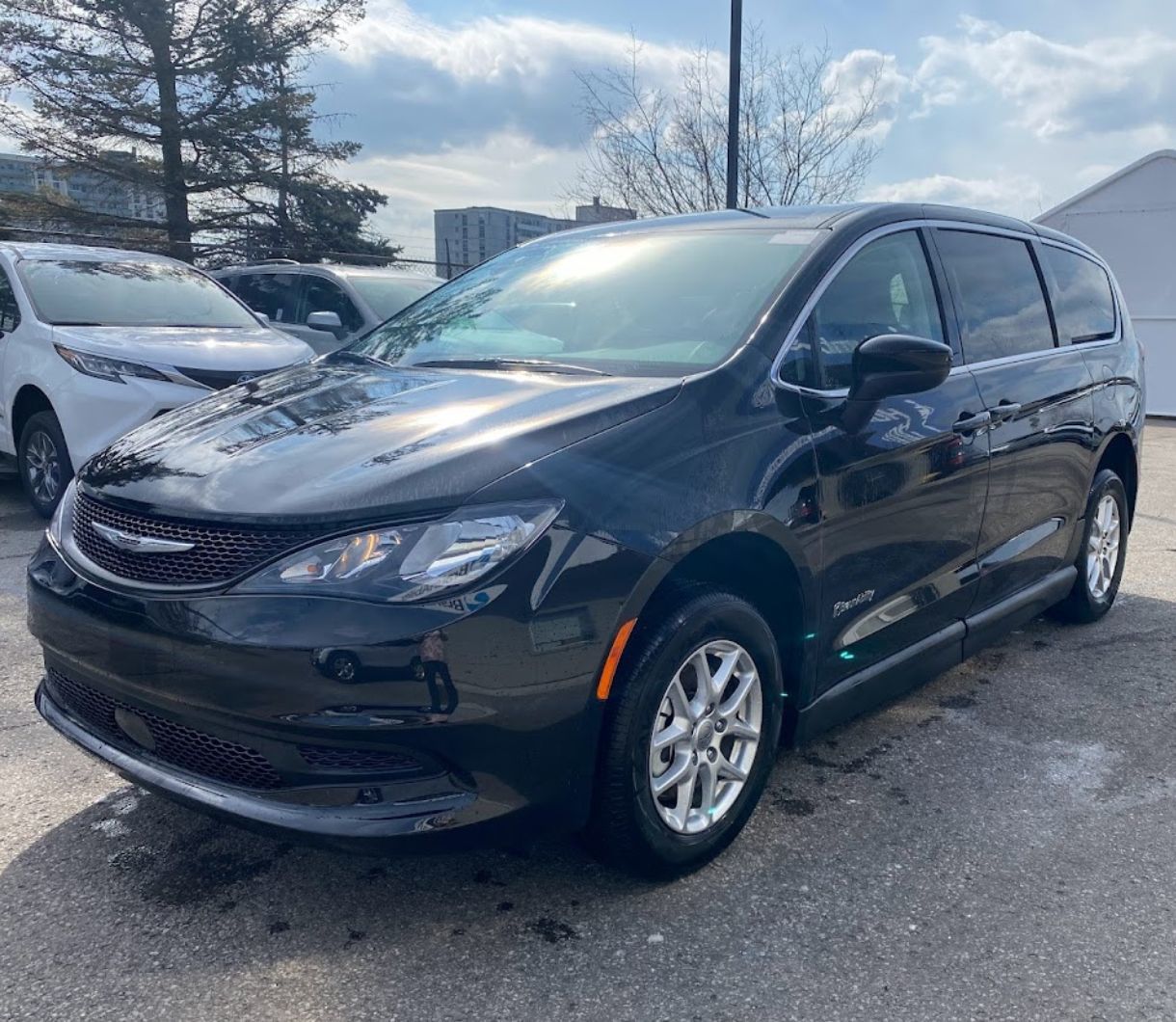
2027 Chrysler Grand Caravan SXT with BraunAbility Rear Entry NEMT Conversion Now Available in Canada

Owning a wheelchair-accessible vehicle in Ontario means navigating two distinct warranty systems and specialized insurance requirements that differ significantly from standard vehicles. The original equipment manufacturer (OEM) warranty covers the base vehicle - chassis, powertrain, and factory-installed systems - but does not extend to accessibility modifications such as wheelchair lifts, ramps, lowered floors, or hand controls.
These conversions carry separate warranties from the modification company, typically lasting 3 years or 60,000 km, with a minimum 1-year coverage required under NMEDA Quality Assurance Program (QAP) standards. Understanding this split coverage is essential for protecting your investment and ensuring continuous mobility.
Have Questions? Connect with Our Mobility Specialist Today for Personalized Assistance and Expert Guidance!
Contact UsOntario's insurance landscape adds another layer of complexity. All adaptive equipment must be disclosed to your insurer to maintain coverage, and modifications must meet CSA D409 and Canadian Motor Vehicle Safety Standards (CMVSS) compliance. Annual premiums for wheelchair-accessible vehicles typically range from $1,300 to $1,800, with personal-use conversions rated as passenger vehicles rather than commercial.
Financial assistance is available through manufacturer rebate programs and government support, with GM and Ford each offering up to $1,000 in mobility reimbursement and Ontario's Home and Vehicle Modification Program (HVMP) providing up to $15,000 for eligible modifications.
Standard new vehicle warranties in Canada follow a baseline structure: 3 years or 60,000 km for basic bumper-to-bumper coverage, 5 years or 100,000 km for powertrain components, and 8 years or 160,000 km for EV and hybrid batteries. These warranties protect the vehicle's core systems but explicitly exclude any modifications made after factory assembly. If you purchase a 2026 Chrysler Pacifica and have it converted to include a wheelchair ramp and lowered floor, the Chrysler warranty covers the engine, transmission, electrical systems, and factory safety features - but not the ramp mechanism, floor reinforcements, or restraint systems.
Conversion warranties operate independently. NMEDA QAP-certified dealers must provide a minimum 1-year warranty on all adaptive equipment, though most reputable conversion companies offer 3 years or 60,000 km. These warranties cover the structural modifications, lifting devices, manual controls, door openers, wheelchair restraints, steering devices, and powered seats installed during conversion. NMEDA QAP dealers maintain detailed records of all adaptive work and undergo annual audits to ensure compliance. Certified welders perform structural modifications, which is critical for both safety and warranty validity.
The separation between OEM and conversion warranties creates a crucial maintenance requirement: you must service each system through its respective provider. Factory-scheduled maintenance happens at your vehicle's dealership, while conversion system inspections and repairs must be performed by certified accessibility technicians. Some modifications require annual safety inspections in Ontario, and maintaining these certificates directly affects your coverage terms. If mobility equipment is not installed by a certified professional, insurance coverage on that equipment may be voided after an accident.
Key Warranty Coverage:

Several manufacturers offer financial assistance specifically for accessibility modifications, providing welcome relief from conversion costs that can range from $15,000 to $40,000 depending on complexity. GM Canada provides up to $1,000 in reimbursement for equipment and adaptations, with claims accepted within 12 months of purchase or lease. Contact the GM Canada Mobility Assistance Centre at 1-800-GM-DRIVE (463-7483) for current 2026 program delivery windows. The program includes a 2-year OnStar Essentials subscription.
Ford Canada matches this support with up to $1,000 in reimbursement, requiring adaptations to be completed within 6 months of vehicle delivery. Eligible modifications include lifting devices, manual and hand controls, door openers, wheelchair restraints, steering devices, and powered seats. Ford requires structural modifications to be performed by a Ford Quality Intermediate Installer to maintain program eligibility. The program also extends to organizations transporting people with health conditions, not just individual buyers.
Ontario law requires all drivers to carry liability insurance, including mobility vehicle owners. The province's no-fault system provides accident benefits regardless of fault, covering medical expenses, rehabilitation, income replacement, and attendant care for all passengers - including those with pre-existing accessibility needs. However, standard auto insurance policies do not automatically cover adaptive modifications. You must proactively disclose all equipment to your insurer and request specialized coverage.
Insurers offer special equipment endorsements that list covered modifications with agreed-upon values. Some policies provide blanket accessibility coverage up to a specified limit, while others require itemized listings of each component - wheelchair lifts, hand controls, ramps, lowered floors, transfer seats, and restraint systems. Undisclosed or improperly installed equipment may not be covered after a collision, which is why NMEDA QAP certification matters for both warranty and insurance purposes. Annual premiums for wheelchair-accessible vehicles in Ontario typically range from $1,300 to $1,800, with personal-use accessibility vans rated as passenger vehicles rather than commercial.
Business use requires commercial coverage with different rates. If you use your accessible vehicle to transport clients or operate a mobility service, you must upgrade to commercial insurance regardless of whether you charge for transportation. Ontario requires all conversions to meet CSA D409 and CMVSS standards, and some modifications require annual safety inspections. Maintaining current inspection certificates can affect your coverage terms and premium calculations.
Ontario Insurance Essentials:

Ontario's Home and Vehicle Modification Program (HVMP) provides up to $15,000 for vehicle or home modifications for residents with a disability or illness affecting mobility and personal care. Eligible vehicle modifications include hand controls, foot controls, lifts, safety devices, and communication devices. Applicants with gross annual income over $35,000 may need to contribute toward costs, and you must exhaust all other public and private funding sources before HVMP assistance is approved. The program does not cover insurance premiums, installation expenses beyond the modification itself, or accident and theft repairs.
The Assistive Devices Program (ADP) funds mobility devices such as wheelchairs, walkers, and scooters for Ontarians 19 and older covered by OHIP. While ADP does not cover vehicle insurance costs or installation expenses, it can reduce the overall financial burden of accessibility equipment by funding the devices themselves. Insurance remains a private responsibility for mobility vehicle owners, and neither HVMP nor ADP will reimburse insurance premiums or deductibles.
Modifying a vehicle after purchase can void portions of your OEM warranty if the modification affects related components. Installing hand controls may not impact your powertrain warranty, but lowering the floor and reinforcing the chassis could void coverage on suspension components if the manufacturer determines the modification caused a failure. This is why working with NMEDA QAP-accredited dealers is essential - they understand manufacturer warranty terms and design conversions to minimize warranty conflicts.
Always use certified professionals for all modifications. Insurance companies and warranty providers can deny claims if equipment was installed by uncertified technicians or if the installation does not meet CSA D409 and CMVSS standards. NMEDA QAP dealers undergo annual audits and maintain detailed records of all work, providing documentation that protects both warranty and insurance coverage. If you purchase a used accessible vehicle, request complete conversion documentation including the installer's certification, inspection reports, and warranty transfer information.
The 2026 Chrysler Pacifica serves as a strong example of how these systems interact. After purchasing the vehicle, you can apply for GM or Ford manufacturer reimbursement (if purchasing a GM or Ford vehicle instead), use HVMP funding for the conversion itself, and secure specialized insurance coverage that protects both the base vehicle and adaptive equipment. Maintaining both OEM and conversion warranties requires separate service schedules and certified technicians for each system.

Does my vehicle warranty cover accessibility modifications? No. OEM warranties cover only factory-installed components. Conversion warranties are separate and typically last 3 years or 60,000 km, with a 1-year minimum under NMEDA QAP standards.
How long is a conversion warranty? Most reputable conversion companies provide 3 years or 60,000 km of coverage. NMEDA QAP certification requires a minimum 1-year warranty on all products sold.
Can I get a rebate from my car manufacturer? GM and Ford each offer up to $1,000 in mobility reimbursement. GM's program requires claims within 12 months of purchase, while Ford requires adaptations within 6 months of delivery.
Is my accessibility equipment automatically insured? No. You must disclose all modifications to your insurer and request special equipment endorsements. Undisclosed equipment may not be covered after an accident.
How much more does insurance cost for a mobility vehicle in Ontario? Annual premiums typically range from $1,300 to $1,800 for personal use. Business use requires commercial coverage at higher rates.
What safety standards must my conversion meet in Ontario? All conversions must meet CSA D409 and Canadian Motor Vehicle Safety Standards (CMVSS). Some modifications require annual safety inspections.
Can government programs help me pay for insurance or warranty costs? HVMP provides up to $15,000 for modifications but does not cover insurance premiums or warranty costs. ADP funds mobility devices but not vehicle-related expenses.
Understanding the distinction between OEM and conversion warranties, maintaining proper insurance coverage, and leveraging available financial support programs are essential steps in accessible vehicle ownership. Work with NMEDA QAP-certified conversion specialists to ensure your modifications meet safety standards and maintain warranty coverage. Disclose all adaptive equipment to your insurer at the time of purchase and request detailed special equipment endorsements that list each component with agreed-upon values. Take advantage of manufacturer reimbursement programs from GM and Ford, and Ontario's HVMP funding for conversion costs.
Our team at Courtland Mobility specializes in guiding families through every stage of accessible vehicle ownership, from initial purchase and conversion planning to insurance coordination and warranty maintenance. Visit our team at Courtland Mobility to discuss your mobility needs and explore available support programs.
You might also be interested in these blogs:
Accessible Vehicle Financing and Programs Available in Ontario in 2025
Every Driver and Passenger Seat Accessibility Conversion Offered to Consumers in Ontario
The Different Ways You Can Make a Vehicle Wheelchair Accessible