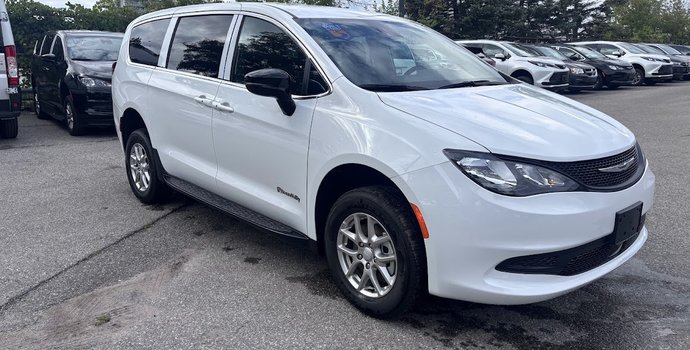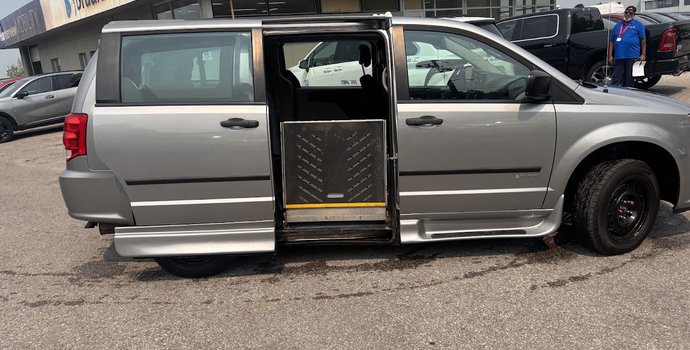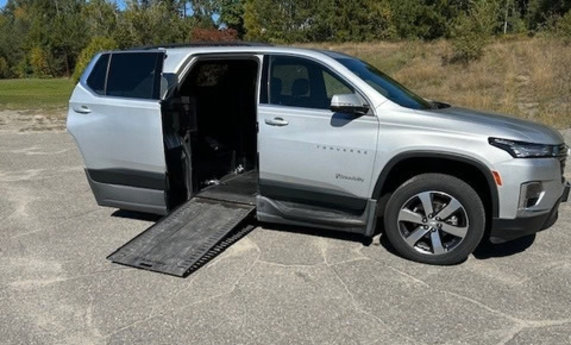
2022 Chevrolet Traverse 3LT

Hybrid technology now powers minivans and SUVs that can be converted for wheelchair access. This guide explains how hybrid systems work, which types exist, and how they integrate with wheelchair ramps, lifts, and adaptive equipment - helping you make a confident decision for your mobility needs.
Have Questions? Connect with Our Mobility Specialist Today for Personalized Assistance and Expert Guidance!
Contact Us
What "Hybrid Mobility Vehicle" Means
A hybrid vehicle combines an internal-combustion engine with electric motors powered by a battery. The electric motor assists during acceleration, powers the vehicle at low speeds, and captures energy through regenerative braking - improving fuel economy and reducing emissions.
A mobility vehicle is any car, van, or SUV modified for accessibility: lowered floors, wheelchair ramps, securement systems, transfer seats, or hand controls. A hybrid mobility vehicle combines both - typically a wheelchair van or accessible SUV built on a hybrid platform.
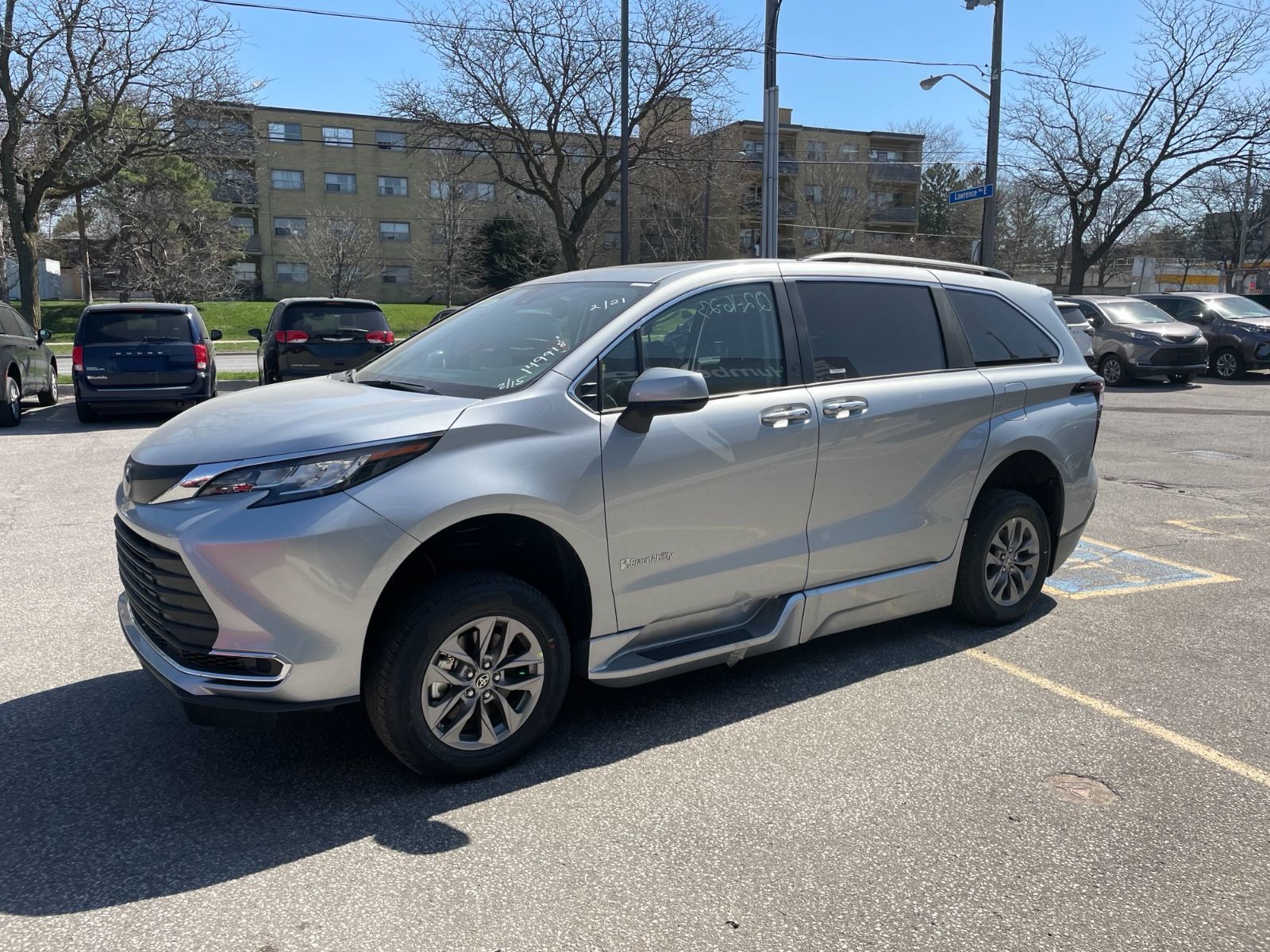
The most common example is the Toyota Sienna hybrid, which serves as the base for BraunAbility side-entry conversions. Battery placement, floor structure, and cargo design determine which accessibility modifications are possible.
Full Hybrid (HEV): Engine and electric motor work together; the vehicle can drive short distances on electric power alone at low speeds. The battery recharges through regenerative braking and the engine - no external charging required. Full hybrids deliver better city fuel economy and smoother low-speed operation, helpful during parking and ramp deployment. The Toyota Sienna is a full hybrid.
Mild Hybrid (MHEV): The electric motor assists the engine but cannot move the vehicle independently. Mild hybrids improve fuel economy slightly with smaller efficiency gains than full hybrids. These systems cost less and add less weight, advantageous for highway driving where hybrid benefits are less pronounced.
Plug-In Hybrid (PHEV): A larger battery provides 20 - 50 km+ of electric range in many models, recharged by plugging in plus regenerative braking. PHEVs can complete short local trips on electricity alone, with the gas engine available for longer drives. This offers silent, low-emission operation around town and unlimited range when needed. Trade-offs include higher upfront cost and the need for charging access.
|
Hybrid Type |
Mobility-Relevant Pros |
Mobility-Relevant Cons |
|
Full HEV |
Better city fuel economy; smoother at low speed |
Battery space/weight trade-offs |
|
Mild MHEV |
Lower cost, efficiency bump |
Fewer benefits when heavily loaded |
|
PHEV |
EV-like around town; gas backup |
Needs charging access; limited conversion options |

Not every hybrid can be converted for wheelchair access. Battery packs, floor structure, and cargo design determine feasibility.
Toyota Sienna Hybrid: The primary platform for BraunAbility side-entry conversions. The Sienna's hybrid system accommodates a lowered floor and side-entry ramp without compromising battery placement or structural integrity.
Hybrid SUVs with Rear-Entry Options: Some hybrid SUVs maintain flat cargo floors allowing wheelchair lifts or rear-entry solutions. Models with electric-motor AWD - where the rear axle is powered electrically - offer better packaging flexibility by eliminating the driveshaft tunnel.
Other Hybrid Minivans: The Chrysler Pacifica Hybrid (PHEV) has been used for conversions, though availability varies. Verify with a certified mobility dealer which current hybrid models support your required entry style, floor height, and securement layout.
Lower Fuel Costs: Hybrids deliver better fuel economy in city driving and stop-and-go traffic - common conditions for medical appointments and urban routes. Fuel savings can offset the higher purchase price over time.
Quieter Operation: Electric motors run silently at low speeds, making loading and unloading more comfortable. Reduced noise and vibration improve the experience during transfers and while idling.
Smoother Low-Speed Driving: Regenerative braking and electric motor assist create smoother acceleration and deceleration when maneuvering in tight spaces, deploying ramps, or navigating parking structures.
Electric Range for Local Trips (PHEVs): Plug-in hybrids can complete daily local trips on electric power while retaining long-range capability, offering EV benefits without range anxiety.

Higher Upfront Cost: Hybrids use more complex drivetrains, increasing purchase price. Combined with conversion costs, the total investment is meaningful. Calculate whether fuel savings justify the premium.
Conversion Compatibility: Not all hybrid models can be converted for wheelchair access. Battery placement and structural differences limit entry styles, floor heights, and securement layouts. Work with a certified mobility dealer to verify compatibility.
Payload and Weight: Wheelchair conversions, mobility equipment, and passengers add weight that can reduce fuel economy advantages, especially in mild hybrids. Full hybrids and PHEVs handle added weight better.
Maintenance Complexity: Hybrids require trained technicians for high-voltage batteries, inverters, and electric motors.

Interior Layout and Entry Style: Decide between side-entry or rear-entry access. Side-entry ramps work better for curbside loading and tight parking. Rear-entry requires more clearance but preserves second-row seating. Verify the hybrid model supports your preferred entry style and provides adequate headroom.
Drivetrain and Performance: Some hybrid SUVs and minivans offer AWD using electric motors on the rear axle, improving traction in Ontario winters without a mechanical driveshaft that can interfere with lowered floors.
Range and Use Case: Match the hybrid type to your typical trip length. PHEVs suit local driving within 20 - 50 km+ if you have charging access. Full hybrids make more sense for longer distances or without home charging.
Accessibility Adaptations Needed: List required features - wheelchair securement systems, power ramps or lifts, transfer seats, hand controls, scooter lifts, occupant restraints. Confirm the hybrid platform accommodates all without compromising safety.
Local Inventory and Support: Hybrid inventory is available in the Burlington area.
|
Factor |
Why It Matters for Mobility Buyers |
|
Entry type (side vs rear) |
Impacts parking, curb access, interior maneuvering |
|
Interior height and floor design |
Determines power chair entry and turning safety |
|
AWD and winter capability |
Important for Ontario snow and ice |

Hybrid technology now integrates smoothly with wheelchair conversions and adaptive equipment. The Toyota Sienna hybrid proves accessible vehicles can deliver better fuel economy, quieter operation, and smoother low-speed driving without sacrificing space and functionality.
If you drive frequently in the city, make regular medical trips, or want to reduce fuel costs long-term, a hybrid mobility vehicle offers measurable benefits. While upfront cost is higher, fuel savings, improved comfort, and reduced emissions make hybrids practical for many accessibility-focused buyers.
Visit Courtland Mobility in Burlington to explore hybrid mobility options and speak with a specialist about conversions, compatibility, and long-term ownership. As a certified BraunAbility dealer and member of The Humberview Group, we sell and service wheelchair van conversions by BraunAbility and Vantage Mobility International (VMI)
You might also be interested in these blogs:
Answering All of Your Questions About Mobility Vehicle Insurance in Ontario
The Different Ways You Can Make a Vehicle Wheelchair Accessible
5 Mobility Conversions to Help with Steering and Handling