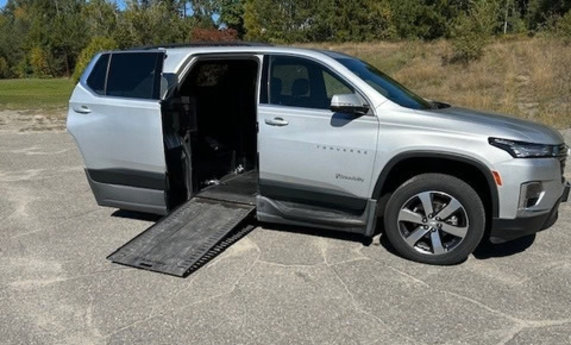
2022 Chevrolet Traverse 3LT

It's a fair question, and one a lot of families ask when mobility needs change. Maybe you've owned the same car for years and hope it can be adapted. Maybe you're shopping and wondering how much your choice of vehicle matters. The short answer: you can improve access on almost any vehicle, but you cannot turn every vehicle into a true wheelchair accessible vehicle.
The reason comes down to engineering, safety, and Ontario's rules for vehicles that carry physically disabled passengers. Some platforms are built for full conversions. Others can only take limited add-ons. This guide walks through what "wheelchair accessible" actually means, which vehicles work, which ones don't, and how to match the right solution to the person who will use it.
A wheelchair accessible vehicle, often shortened to WAV, is designed so a wheelchair user can get in and travel safely, frequently while staying seated in their own wheelchair. That's done with a ramp or a lift, plus a proper restraint system that holds both the chair and the passenger in place.
The term covers a wide range of setups. On one end, you have simple aids that help someone transfer from a wheelchair into a standard seat. On the other, you have full lowered-floor minivans with integrated ramps and tie-down systems. Common layouts include side-entry and rear-entry minivan conversions, full-size vans fitted with lifts, and purpose-built accessible buses. Knowing where on that spectrum your needs fall is the first step in choosing a vehicle.

Not every platform can be turned into a full WAV. A handful of physical factors decide whether a vehicle can be converted:
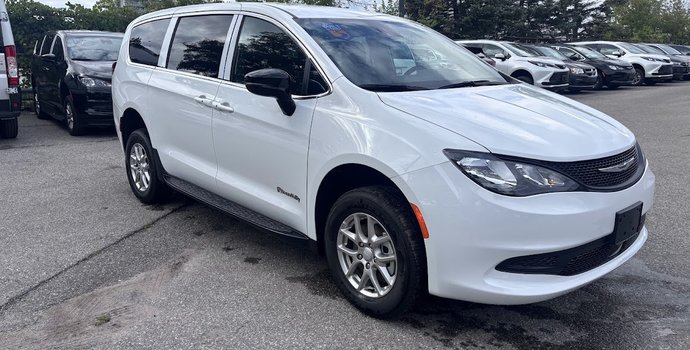
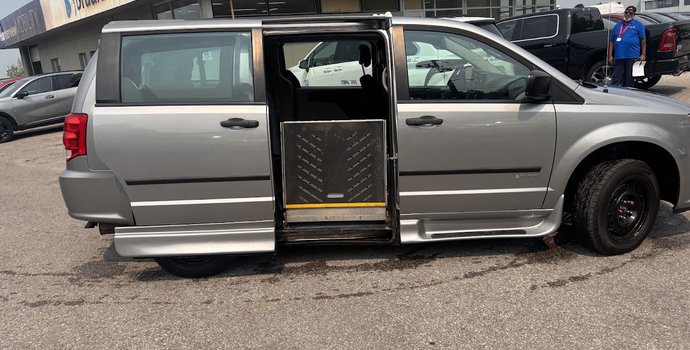
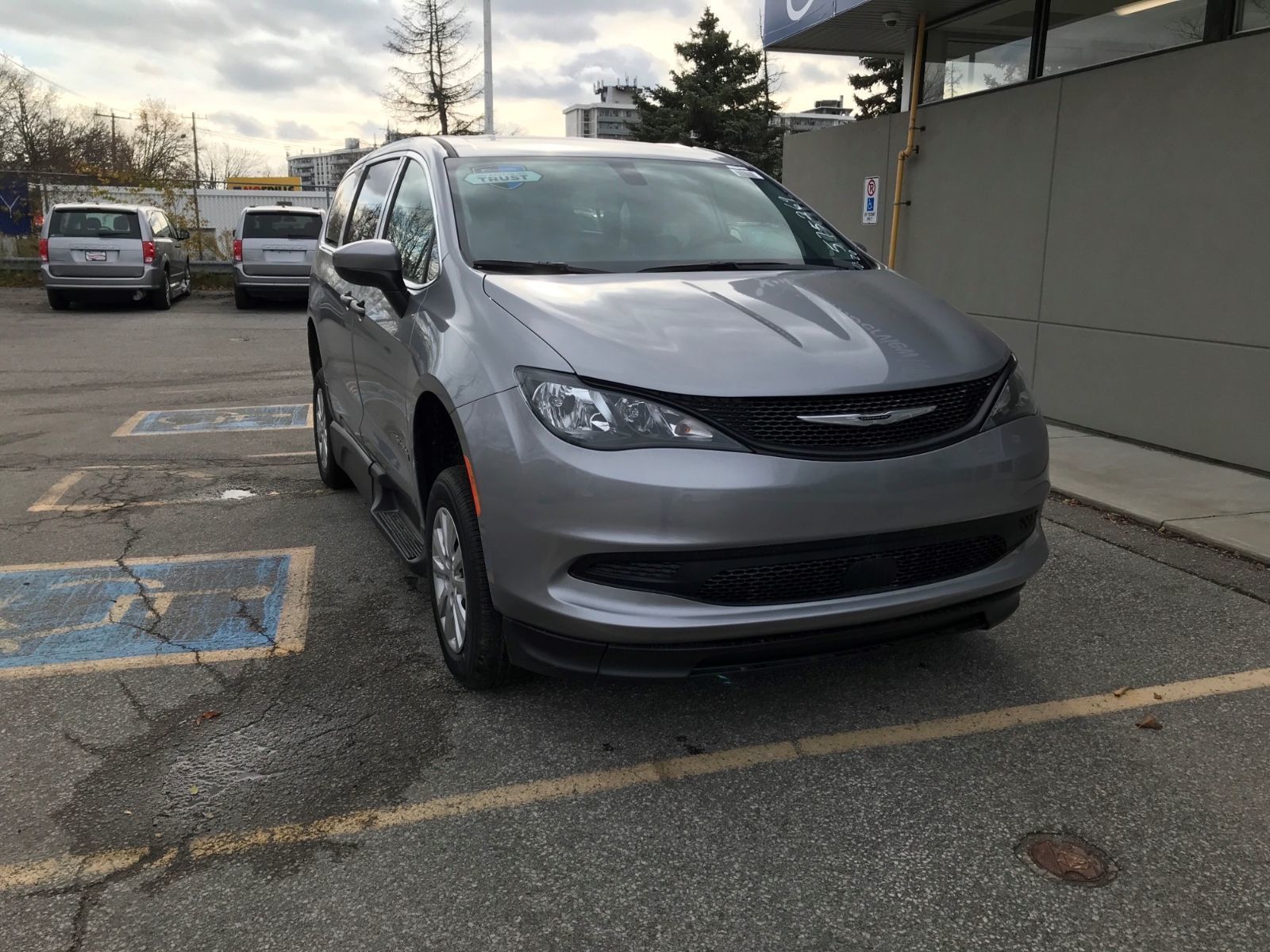
Modern minivans are the main platform converters use. Models like the Chrysler Grand Caravan and Toyota Sienna, along with conversions built on platforms such as the Chevrolet Traverse, give converters the room and structure they need. These are the vehicles handled by established conversion companies, and they form the backbone of most accessible van inventories.
Many vehicles simply can't become true WAVs. Sedans, coupes, sports cars, and small crossovers usually fall short for a few reasons: door openings are too narrow, roof lines are too low for a seated wheelchair user, and unibody designs aren't engineered for floor-lowering. There's also rarely enough interior space for a ramp and a secure tie-down system.
That doesn't mean those vehicles are off the table. It means the practical path is usually a different vehicle paired with accessories, rather than forcing a full conversion onto a car that wasn't built for it. A small SUV, for example, may not work as a lowered-floor van, but it can often carry a wheelchair lift while the user rides in a regular seat.

Accessibility modifications run from basic to full conversion. Here's how the levels compare.
|
Modification Level |
What It Does |
Best Suited For |
|---|---|---|
|
Entry and egress aids |
Transfer seats, swivel or turning seats, grab handles, step aids |
Users who can transfer from a wheelchair to a standard seat |
|
Driving adaptations |
Hand controls, steering devices, left-foot accelerators |
Drivers who transfer into the driver's seat and need adapted controls |
|
Storage solutions |
Wheelchair and scooter lifts or hoists mounted on SUVs, minivans, or full-size vehicles |
Users who ride in a regular seat but need their equipment loaded |
|
Full WAV conversions |
Lowered-floor minivans with power or manual ramps, side or rear entry, tie-downs, reconfigured seating |
Users who travel while seated in their wheelchair |
Each level answers a different need. Someone who can walk a few steps may only need a swivel seat. Someone who drives independently may need hand controls. Someone who stores a folded chair needs a lift. And someone who stays in their wheelchair for the whole trip needs a full conversion. The right choice depends entirely on the person, not on a one-size-fits-all rule.
Ontario sets specific technical standards for vehicles that transport physically disabled passengers. Provisions under the Highway Traffic Act cover requirements for ramps and lifts, steps, grab bars, lighting, signage, and the allocated space for a wheelchair inside the vehicle.
Two points matter most here. First, any retrofit must not weaken the vehicle's structural integrity. A conversion that compromises the frame is both unsafe and potentially illegal. Second, "do-it-yourself" or unapproved conversions carry real risk because they may not meet these standards. This is why proven conversion platforms and certified work are the safe route.
Funding can help with the cost. The March of Dimes Canada Home and Vehicle Modification Program assists eligible Ontario residents with vehicle modifications. Eligibility, the funding amount, and how often you can apply are set by the program, so it's worth confirming the current details directly when you plan a purchase or conversion.

Matching a person to a vehicle isn't a guessing game. Best practice is a proper assessment, and it usually involves two parties working together.
An occupational therapist or a Certified Driver Rehabilitation Specialist reviews the person's mobility, the type of wheelchair they use, and whether they'll be driving or riding as a passenger. A mobility dealer then translates that assessment into vehicle and equipment options. Together they answer the practical questions: Does this person need side entry or rear entry? Power ramp or manual? A full conversion or a lift?
This is where a local specialist earns its place. Courtland Mobility works with major conversion brands, offers both new and used accessible vans, and provides after-sales service and emergency support across Ontario. That combination means a buyer isn't left on their own after the sale.
Here's the honest answer. You cannot turn every vehicle into a full wheelchair accessible vehicle. Engineering limits and Ontario's safety regulations rule out many cars, and no amount of aftermarket work changes that.
But you can almost always improve access or independence. The right combination of vehicle choice and adaptations gives nearly everyone a workable path forward. The safest strategy isn't forcing a conversion onto an unsuitable vehicle. It's matching the person and the wheelchair to a proven platform from the start.
If you're weighing your options, the next step is a conversation with people who do this every day. Visit the team at Courtland Mobility in Burlington to book a vehicle and needs assessment, see side-entry and rear-entry vans up close, and get straightforward guidance on funding and registration. They'll help you find a solution that's safe, compliant, and built around how you actually move.